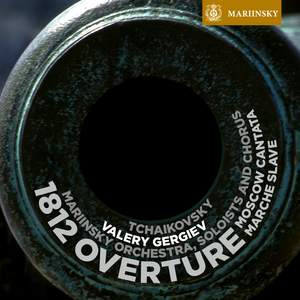


Tchaikovsky - 1812 Overture, Moscow Cantata, etc.
Mariinsky Concert Hall, St Petersburg, 15-20 February 2009
Mariinsky Orchestra, Valery Gergiev
Slavonic March, the most individual of all the pieces, gets the liveliest, quirkiest performance and the best sound. — More…
-
Presto Recording of the Week12th October 2009

Downloads
What are FLAC and MP3?Contents
Tchaikovsky: 1812 Overture, Op. 49
Work length14:36
$1.60
$2.60
$3.20
- Valéry Gergiev, Mariinsky (Kirov) Orchestra
Tchaikovsky: Moscow Cantata
Work length23:20
$6.00
$7.80
$9.60
- Valéry Gergiev, Mariinsky (Kirov) Orchestra, Lyubov Sokolova, Alexey Markov
I. Introduction and Chorus. Andante religioso
Track length5:09
$1.00
$1.30
$1.60
II. Arioso. Moderato con moto
Track length2:36
$1.00
$1.30
$1.60
III. Chorus. Allegro
Track length1:43
$1.00
$1.30
$1.60
IV. Monologue and Chorus. Moderato - Largo
Track length5:03
$1.00
$1.30
$1.60
V. Arioso. Andante molto sostenuto
Track length3:34
$1.00
$1.30
$1.60
VI. Finale. Moderato con moto
Track length5:15
$1.00
$1.30
$1.60
Tchaikovsky: Marche slave, Op. 31
Work length10:12
$1.40
$1.95
$2.40
- Valéry Gergiev, Mariinsky (Kirov) Orchestra
Tchaikovsky: Festival Coronation March
Work length5:02
$1.00
$1.30
$1.60
- Mariinsky (Kirov) Orchestra, Valéry Gergiev
Tchaikovsky: Festival Overture On the Danish National Anthem
Work length11:04
$1.40
$2.60
$3.20
- Valéry Gergiev, Mariinsky (Kirov) Orchestra