In stock - usually despatched within 1 working day.
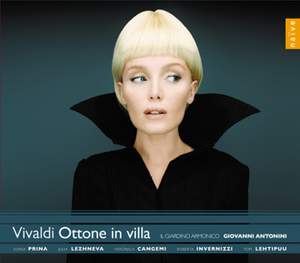
Ottone in villa is the second recording of a Vivaldi opera this year, and the first full opera recording ever done by leading Baroque music specialist Il Giardino Armonico and its music director Giovanni Antonini. They are joined by a cast including confirmed performers and rising stars such as Julia Lezhneva and Topi Lehtipuu. Ottone in Villa is the earliest opera by Vivaldi, and this is the world premiere of a complete recording of the work.
Il Giardino Armonico, founded in Milan in 1985 and directed by Giovanni Antonini, is one of today’s most admired and sought-after ensembles specialising in performance on period instruments. The ensemble has made many award winning recordings of instrumental works by Vivaldi and other seventeenth and eighteenth-century composers.
Long thought to be Vivaldi’s first opera, Ottone in villa (“Otho on vacation”) had its premier in 1713 in the small public theatre of Vicenza, the Teatro delle Garzerie. By this time Antonio Vivaldi was already a celebrated violin virtuoso and teacher at La Pietà. Ottone in villa bears witness to Vivaldi’s mastery in his first productive period (in 1711 he had published his Op. 3 concerti, L’estro armonico), and is a precious example of Venetian operatic culture. The drama is a satire of Imperial Rome’s high society, concentrating on amorous intrigues among an attractive group of young characters in a pastoral setting.
The Vivaldi Edition, a recording venture conceived by the Italian musicologist Alberto Basso (Istituto per I Beni Musicali in Piemonte) and the independent label Naïve, is one of the most ambitious recording projects of the twenty-first century. Its principal objective is to record the massive collection of Vivaldi autograph manuscripts preserved in the Biblioteca Nazionale Universitaria in Turin, some 450 works in all.
Antonio Vivaldi: Ottone in Villa, RV 729
Sinfonia: Allegro
Sinfonia: Larghetto
Sinfonia: Allegro
Act I Scene 1: Recitative: Nacqui a gran sorte … (I was born to greatness … ) (Cleonilla)
Act I Scene 1: Aria: Quanto m'alletta (How alluring) (Cleonilla)
Act I Scene 2: Recitative: Caio … (Caio … ) (Cleonilla, Caio)
Act I Scene 2: Aria: Sole degl'occhi miei (Light of my eyes) (Caio)
Act I Scene 2: Recitative: Ma Cesare qui vien … (But here comes Caesar … ) (Caio, Cleonilla)
Act I Scene 3: Recitative: Cleonilla, a te ne vengo … (Cleonilla, I come to you … ) (Ottone, Cleonilla, Caio)
Act I Scene 3: Aria: Caro bene (Beloved) (Cleonilla)
Act I Scene 4: Recitative: Piu fido amante, e chi miro giammai? … (Has there ever been a truer lover? … ) (Ottone, Caio)
Act I Scene 4: Aria: Par tormento, ed e piacer (It seems a torment yet is a pleasure) (Ottone)
Act I Scene 5: Recitative: Quanto di donna amante … (Just how cunnning a mistress can be … ) (Caio, Tullia)
Act I Scene 5: Aria: Chi seguir vuol la costanza (He who insists on being constant) (Caio)
Act I Scene 6: Recitative: Ah! Traditor t'intendo … (Ah! Traitor, I know what's in your mind … ) (Tullia)
Act I Scene 6: Aria: Con l'amor di donna amante (My love, being that of a loving woman) (Tullia)
Act I Scene 7: Recitative: Quanto m'alletti, o cara … (How I love, my dearest … ) (Ottone, Cleonilla, Decio)
Act I Scene 7: Aria: Frema pur, si lagni Roma (Let Rome fret and fume) (Ottone)
Act I Scene 8: Recitative: Grande ho, Decio, il desio … (I am extremely curious to know, Decio … ) (Cleonilla, Decio, Tullia)
Act I Scene 8: Aria: Il tuo pensiero e lusinghiero (You are living in a fool's paradise) (Decio)
Act I Scene 9: Recitative: Porgimi il manto, caro … (Hand me my robe, dear boy … ) (Cleonilla, Tullia)
Act I Scene 9: Aria: Che fe, che amor (I swear that faith, that love) (Cleonilla)
Act I Scene 10: Recitative: E Caio aborriro per fin ch'io viva? … (Hold Caio in abhorrence for as long as I live? … ) (Caio, Tullia)
Act I Scene 10: Aria: Si, si, deggio partir (Yes, yes, I must be off) (Tullia)
Act I Scene 11: Recitative: E Caio aborriro per fin ch'io viva? … (Hold Caio in abhorrence for as long as I live? … ) (Caio)
Act I Scene 11: Aria: Gelosia (Jealousy) (Caio)
Act II Scene 1: Recitative: Spinto Signor son' io … (I am urged, my lord … ) (Decio, Ottone)
Act II Scene 1: Aria: Come l'onda (Like a wave) (Ottone)
Act II Scene 2: Recitative: A Cesare tradito io dir non volli … (I decided not to tell the deceived Caesar … ) (Deccio, Caio)
Act II Scene 2: Aria: Che giova it trono al Re (What good is his throne to a king) (Decio)
Act II Scene 3: Recitative: Parli Decio che vuol … (Decio can say what he likes … ) (Caio, Tullia)
Act II Scene 3: Aria: L'ombre, l'aure, e ancora il rio (The shadows, the breezes, and even the stream) (Caio, Tullia)
Act II Scene 4: Recitative: Qual duolo, o Caio, frenetico ti rende? … (What grief, O Caio, has provoked this frenzy? … ) (Tullia, Caio)
Act II Scene 4: Aria: Su gl'occhi del tuo ben (To your beloved) (Caio)
Act II Scene 5: Recitative: Disperato e l'infido … (The deceiver is desperate … ) (Tullia)
Act II Scene 5: Aria: Due tiranni ho nel mio cor[e] (Two tyrants have I in my heart) (Tullia)
Act II Scene 6: Recitative: Felice e il volto mio … (My face looks happy … ) (Cleonilla, Caio)
Act II Scene 6: Aria: Leggi almeno, tiranna infedele (Read at least, O faithless tyrant) (Caio)
Act II Scene 7: Recitative: Che mai scrisse qui Caio? … (Whatever has Caio written here? … ) (Cleonilla, Ottone)
Act II Scene 7: Aria: Tu vedrai (You shall see) (Cleonilla)
Act II Scene 8: Recitative: Cesare, io gia prevedo … (Caesar, I foresee … ) (Decio, Ottone, Cleonilla)
Act II Scene 8: Aria: Povera fedelta (Poor constancy) (Cleonilla)
Act II Scene 9: Recitative: Ah Decio, i tuio ricordi … (Ah Decio, your report … ) (Ottone, Decio)
Act II Scene 9: Aria: Ben talor favella il Cielo (Very often heaven speaks) (Decio)
Act II Scene 10: Recitative: Oh! qual error fec'io … (Oh, how mistaken I was … ) (Ottone, Caio)
Act II Scene 10: Aria: Compatisco il tuo fiero tormento (I sympathise with your great grief) (Ottone)
Act II Scene 11: Recitative: Quanto Cleonilla e scaltra … (How shrewd Cleonilla is! … ) (Caio)
Act II Scene 11: Aria: Io sembro appunto (I am just) (Caio)
Act II Scene 12: Recitative: Ah, che non vuol sentirmi il traditore … (Ah, the deceiver will not listen to me … ) (Tullia)
Act II Scene 12: Aria: Misero spirto mio (My suffering spirit) (Tullia)
Act III Scene 1: Recitative: Signor … (My lord … ) (Decio, Ottone)
Act III Scene 1: Aria: Tutto sprezzo, e trono, e impero (I care for nothing, not my throne nor empire) (Ottone)
Act III Scene 2: Recitative: Gia di Ottone preveggo … (I foresee Ottone's … ) (Decio)
Act III Scene 2: Aria: L'esser amante (To be a lover) (Decio)
Act III Scene 3: Recitative: Cerchi in van ch'io t'ascolti … (I am deaf to your pleas … ) (Cleonilla, Caio)
Act III Scene 3: Aria: No, per te non ho piu amor, no (No, I no longer love you, no) (Cleonilla)
Act III Scene 4: Recitative: Cleonilla … (Cleonilla … ) (Tullia, Caio, Cleonilla)
Act III Scene 4: Aria: Guarda in quest'occhi (Look into my eyes, and hear) (Caio)
Act III Scene 5: Recitative: Quant'ha di vago Amor nel suo gran regno … (All the charms that Love possesses … ) (Cleonilla, Tullia)
Act III Scene 5: Aria: Che bel contento (What sweet contentment) (Tullia)
Act III Scene 6: Recitative: Piu soffrir non poss'io … (I can bear this no longer … ) (Caio, Cleonilla, Tullia)
Act III Final Scene: Recitative: Caio infierito … (Caio in a rage … ) (Ottone, Decio, Cleonilla, Caio, Tullia)
Act III Final Scene: Grande e il contento (Great and heartfelt) (Chorus)
January 2011
*****
“A major attraction of Antonini's version is the casting of Sonia Prina as Roman Emperor Ottone. Her rounded vocal timbre and powerful declamation bring strong characterisation to the role...Antonini complements the dramatic tension with a preference for generally brisker tempos”
Graham Rogers
15th December 2010
“there is no lack of musical invention or showmanship – particularly when brought to life with such verve by a terrific cast under conductor Giovanni Antonini, with the trademark percussive vibrancy of Il Giardino Armonico... [Lezhneva's] barnstorming vengeance aria at the end of Act One fizzes with rapid-fire coloratura and sky-high ornamentation.”
February 2011
“The energy and virtuosity of this recording place it head and shoulders above the rest...All the vocal performances leap from the disc into your room with their drama and vocal quality...Il Giardino Armonico play with invigorating forward drive, rhythmic punch, and bright sweetness of tone, Vivaldi's favoured violins singing particularly under their fingertips. A beautiful, joyful listen.”
March 2011
“One need only listen to a simply recitative to appreciate how much rehearsal time must have gone into lifting the drama with some real acting: it's breathy, full of pauses, running on of lines and always flexible in pace. The real joy is the way Antonini and his performers cherish and differentiate the arias. A lot of thought has gone into phrasing, articulation, dynamics and rhythmic gestures”
Click here for alternative recordings of this work.