Penguin Guide Rosette Winners
The Penguin Guide to Recorded Classical Music, now in its thirtieth edition, remains the cornerstone guide for the discriminating record collector.
The Penguin Guide 3 star rating is given to CDs which demonstrate outstanding performance and recording. A proportion of these are awarded Rosettes to indicate that they are of extra special quality.
With over 400 recordings cited this is an excellent starting place to help find something that will bring a little magic or extra special illumination to some of the great works of music history.
Browse: Penguin Guide Rosette Winners
Recent Best Sellers: Penguin Guide Rosette Winners
-
RecommendedCD: $10.00Download from $8.25
-
Recommended2 CDs: $10.00
-
RecommendedCD: Original price ($11.75) Reduced price $5.75Download from $10.00
-
RecommendedCD: $10.00Download from $8.25
-
RecommendedCD: $10.00Download from Original price ($9.25) Reduced price $6.75
-
View all recent best sellers
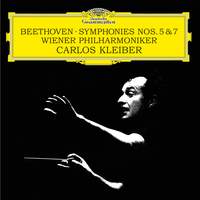
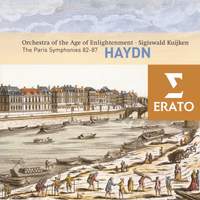

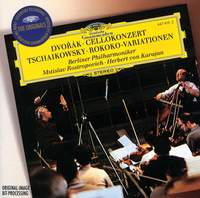

Featured Composers: Penguin Guide Rosette Winners
- Bach, J S
- Beethoven
- Berlioz
- Brahms
- Britten
- Bruckner
- Byrd
- Chopin
- Debussy
- Despres
- Dvorak
- Elgar
- Falla
- Fauré
- Franck, C
- Gershwin
- Grieg
- Handel
- Haydn
- Ives, C
- Liszt
- Mahler
- Mendelssohn
- Monteverdi
- Mozart
- Mussorgsky
- Offenbach
- Pergolesi
- Poulenc
- Prokofiev
- Puccini
- Purcell
- Rachmaninov
- Ravel
- Rimsky Korsakov
- Rossini
- Schubert
- Schumann
- Shostakovich
- Sibelius
- Soler, A
- Strauss, R
- Stravinsky
- Sullivan, A
- Tchaikovsky
- Vaughan Williams
- Verdi
- Vivaldi
- Wagner
- Walton