Browse: Fayrfax - That was my woo
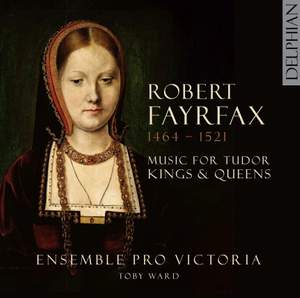
Composer: Robert Fayrfax (1464–1521)
-
This is an unabashedly specialist release...But what riches for those already inclined to luxuriate in the heavy cloth and densely woven sonic thread of Robert Fayrfax’s choral music...there’s... — More…
Awards:
-
Gramophone Awards, 2022, Shortlisted - Early Music

CD
Original price ($18.25) Reduced price $14.50Downloads
What are FLAC and MP3? -
-
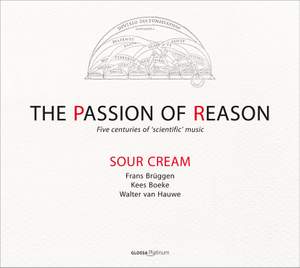
The Passion of Reason
Five centuries of ‘scientific’ music
Sour Cream: Frans Brüggen (recorders), Kees Boeke (recorders & viola da gamba), Walter van Hauwe (recorders), with Isabel Álvarez (voice) & Toyohiko Satoh (lutes)
This is both a stimulating and thought-provoking excursion undertaken by accomplished musicians — More…
2 CDs
$32.00Downloads
What are FLAC and MP3?