Browse: Dvořák - Four Songs, Op. 82: No. 1, ‘Leave Me Alone’
Composer: Antonín Dvořák (1841–1904)Genres:
Vocal » Songs
-
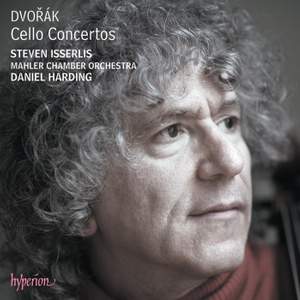
this performance is remarkably fine and the interaction between soloist and orchestra generates one of the most exciting ensemble performances of recent years. Steven Isserlis is inside the piece... — More…
Awards:
-
Presto Recording of the Week, 30th September 2013

-
Gramophone Magazine, October 2013, Editor's Choice

-
BBC Music Magazine, November 2013, Orchestral Choice

CD
$15.75Downloads
What are FLAC and MP3? -
-
Offer,
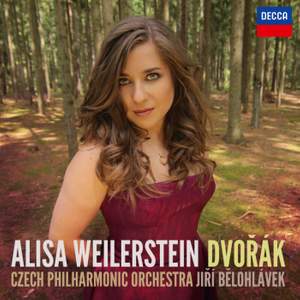
Dvorak: Cello Concerto RecommendedAlisa Weilerstein (cello)
Czech Philharmonic Orchestra, Jiří Bělohlávek
Above all, she reveals the profound relationship between the solo part and Dvořák’s radiantly detailed orchestration in one of the f inest ensemble performances of the last 30 years. With Bělohlávek... — More…
Awards:
-
BBC Music Magazine, August 2014, Concerto Choice
-
Presto Recordings of the Year, Finalist 2014

-
Gramophone Awards, 2015, Finalist - Concerto

Downloads
What are FLAC and MP3? -
-
Popper’s Elfentanz zips by in a hummingbird whirr of iridescent colour and needlepoint precision: spectacular playing by any standards. And Nadia Boulanger would surely have enjoyed the neoclassical... — More…
CD
$15.00Downloads
What are FLAC and MP3? -
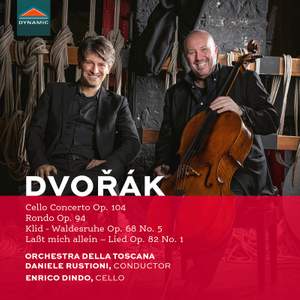
Rustioni’s handling of tempos and transitions across the concerto has an enjoyable forward momentum – pacy but never uncomfortably hurried, which is a good fit for Dindo’s own urgency. — More…
CD
$15.25Downloads
What are FLAC and MP3? -
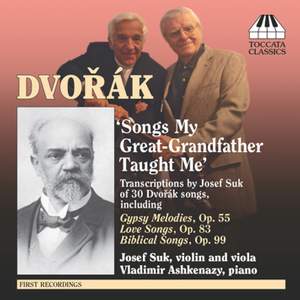
Dvorak: Songs my Great-Grandfather Taught Me
Transcriptions by Josef Suk of 30 Dvorak songs
Josef Suk (violin and viola) & Vladimir Ashkenazy (piano)
...the opportunity to hear these evocative and melodious miniatures in affectionate and warmly recorded performances from these great musicians should not be passed up lightly. — More…
Awards:
-
Gramophone Magazine, March 2010, Editor's Choice
CD
$15.75Downloads
What are FLAC and MP3? -
-
He’s an exceptionally free, agile and fluent player, and youthful impetuosity powers the first and third movements, only occasionally marred by a rather hectic vibrato. There’s a sense of real... — More…
2 Vinyl Records
$40.50 -
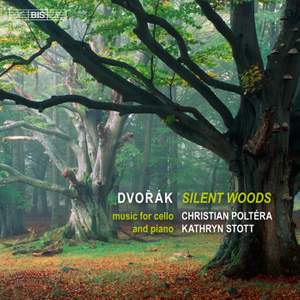
Dvořák: Silent Woods
Original works and transcriptions for cello and piano
Christian Poltera (cello) & Kathryn Stott (piano)
This recording bathes the listener in a stream of irresistable song that lingers in the memory weeks later. It also proves how well the composer's lyricism translates across timbre and sonority:... — More…
Downloads
What are FLAC and MP3? -
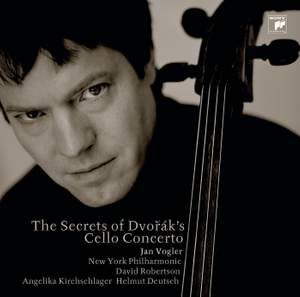
The Secrets of Dvorák’s Cello Concerto
A unique and fresh look at Dvorak’s monumental work
Jan Vogler (cello) & Angelika Kirchschlager (mezzo)
New York Philharmonic
The title may sound gimmicky but the result is fascinating. The brilliant German cellist Jan Vogler has collaborated with Dvořák scholar Michael Beckerman in devising a sequence which delves... — More…
Downloads
What are FLAC and MP3? -
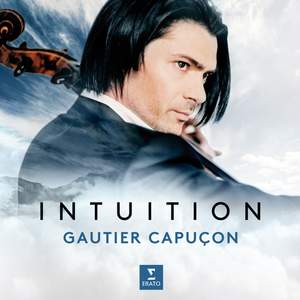
Capuçon sheds fresh light on popular classics, and performers newer pieces by Sollima and Ducros with virtuosity and lyricism. — More…
CD + DVD Video
$15.00Downloads
What are FLAC and MP3? -
Antonín Dvorák und seine Zeit
Barbara Bonney, Michelle Breedt, Thomas Hampson, Georg Zeppenfeld, Wolfram Rieger
The real stars of the show, though, are Wolfram Rieger whose delicately imagined piano accompaniments illuminate every second of the programme; and Hampson himself - magnificent not only in Dvořák's... — More…
2 CDs
$22.25