Browse: Crumb, G - Cello Sonata
Composer: George Crumb (b.1929)Genres:
Chamber » Sonatas » Cello Sonatas
-
New,
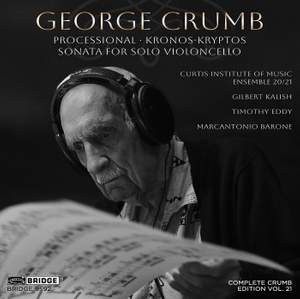
George Crumb: Complete Crumb Edition, Vol. 21 Gilbert Kalish (piano), Timothy Eddy (cello), Marcantonio Barone (piano), Curtis Institute of Music Ensemble 20/21
no one with even passing interest in Crumb should be without the present release – which, with its spaciously immediate sound and detailed notes by Crumb authority Steven Bruns, fittingly rounds... — More…
CD
$18.50Downloads
What are FLAC and MP3? -
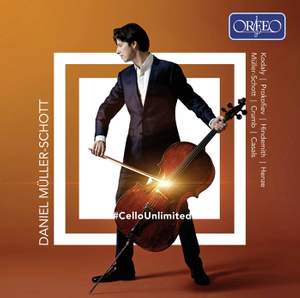
Müller-Schott ends this formidable unaccompanied recital with Pablo Casals’s Song of the Birds, played with the intense focus, the sense of line and the gleaming purity of tone that characterises... — More…
Awards:
-
Gramophone Magazine, March 2020, Editor's Choice

-
Opus Klassik Awards, 2020, Winner - Solo Instrumental Recital (Cello)

CD
$15.75Downloads
What are FLAC and MP3? -
-
2 CDs
$13.25Downloads
What are FLAC and MP3? -
CD
$15.75Downloads
What are FLAC and MP3? -
CD
$16.50Downloads
What are FLAC and MP3? -
CD
$15.00Downloads
What are FLAC and MP3? -
Downloads
What are FLAC and MP3? -
CD
$14.75Downloads
What are FLAC and MP3? -
Downloads
What are FLAC and MP3? -
Downloads
What are FLAC and MP3?