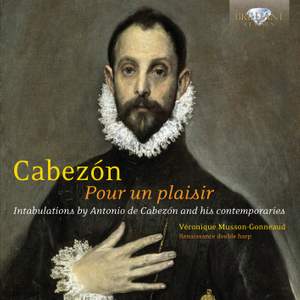
Prices shown exclude VAT. (UK tax is not payable for deliveries to United States.) See Terms & Conditions for p&p rates. | |  | Cabezón: Pour un PlaisirIntabulations for Renaissance double harp
Véronique Musson-Gonneaud (renaissance double harp) During the mid-16th century in Spain, it became increasingly common for collections of music to include tablature that would enable performers of other polyphonic instruments to perform the repertoire. With the recent addition of chromatic strings, the harp was one such mechanism to benefit from this, and its presentation in this beautifully performed compilation of works offers a fascinating glimpse into the rich world of Iberian Renaissance music making. The compositions detailed in this recording are taken from three separate sources of the period: books by Mudarra, Venegas de Henestrosa and Antonio de Cabezón. While Mudarra’s work ‘for harp or organ’ is unique in that it’s the closest thing we have to genuine 16th-century harp music, the compilation focuses primarily on the keyboard works of Antonio de Cabezón and includes in tabulations (arrangements of chansons and madrigals originally written by some of the most renowned mid-century composers), dances, variations and tientos – freely composed polyphonic fantasias. Not only does the recording introduce us to the different genres of the period, revealing an instrument that had grown ‘as perfect as the clavichord’, it honours the work of a man who was in fact one of the foremost keyboard performers and composers of his time. Surveying a lesser known facet of one of the most famous periods in music history, this collection is a must-buy for the Renaissance connoisseur. | | | Usually despatched in 4 - 5 working days. |
|
|
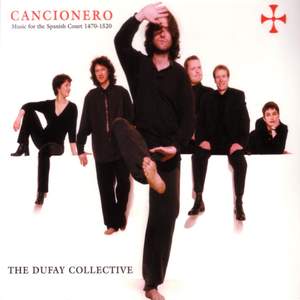
| |  | CancioneroMusic for the Spanish Court (1470-1520)
Anchieta: | Con amores, la mi madre | anon.: | Propinán de Melyor Dindirín, dindirín La Spagna De Dos la Mer Dolce amoroso focho L'amor, dona, ch'io te porto Que faray ie mal fortune Al alva venid La tricotea Pase el agoa Calabaza no se | Badajoz: | Puse mis amores | Cabezón, A: | Diferencias sobre el Canto Llano del Caballero Fabordód del Primer Tono | Encina: | Ay Triste, Que Vengo Vuestros amores e señora Mi libertad en sosiego Oy comamos y bebamos | Escobar: | Secaronme los pesares | Isaac: | La Spagna | Mena: | Aquella mora garrida O, cuidado, mensajero | Milán: | Durandarte | Narvaez: | Fantasia Baxa de contrapunto | Torre, F: | Alta, danza sobre La Spagna | Valderrabano: | Discantar sobre un punto | Vilches: | Ya cantan los gallos |
The Dufay Collective is one of the most established and successful early music ensembles in the world. Their extensive international touring has resulted in sell-out performances throughout Europe, the Americas, Australasia and the Middle East. Their award-winning discography has garnered critical acclaim and popular enthusiasm alike. The Dufay Collective has made numerous film, television and radio appearances. Their presentations are informative and innovative, recreating the rich variety of the music of the Middle Ages and Renaissance. Cancionero, which was nominated for a Grammy Award, explores courtly music from Spain at the end of the 15th century. The romantic villancicos and spicy instrumental numbers count among today’s most compelling and popular styles of early music. | | | Usually despatched in 4 - 5 working days. |
|
|
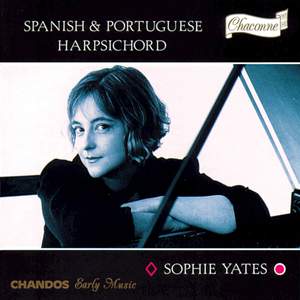
| |  | Spanish and Portuguese Harpsichord
| |
|
| |  | Renaissance and Baroque Organ Music
Cabezón, A: | Diferencias sobre el Canto Llano del Caballero | Erbach: | Ricercar secundi toni | Fischer, J K F: | Praeludium in C (Ariadne musica) Prelude & Fugue in D minor | Frescobaldi: | Partite undecima sopra l'Aria di Monicha in G major Toccata per l'Elevatione in E major Canzona No. 3 in G major | Froberger: | Toccata No. 1 in A minor Fantasia No. 1 in C major, sopra Ut Re Mi Fa So La, FbWV 201 Ricercare in G minor Capriccio in G major, RbWV 507 Capriccio in C major, FbWV 506 Canzona in F major | Gabrieli, G: | Canzon francese in E major | Hofhaimer: | Recordare: Secunda pars (Ab hac familia) | Kerll: | Toccata cromatica con Durezze e Ligatura in E major Canzona in D minor Canzona in G minor | Kotter: | Salve regina, 1513 | Krieger, J: | Fantasia in D minor Toccata in D major Prelude & Ricercare in A minor | Krieger, J P: | Toccata and Fugue in A minor | Merula: | Capriccio cromatico in D major | Merulo: | Toccata | Milán: | Pavana & Galliarda | Muffat, Georg: | Toccata duodezima Nova Cyclopeias Harmonica: Aria Ad malleorum ictus allusio | Murschhauser: | Praeambulum, Fuga, Finale tertii toni | Pachelbel: | Toccata in E minor Nun komm der Heiden Heiland Komm, Gott Schopfer, heiliger Geist Fantasie in C major Alle Menschen müssen sterben Ein feste Burg ist unser Gott | Pellegrini, V: | Canzona per organo 'La Serpentina' | Praetorius, M: | O Lux Beata Trinitas (Hymnus in festo trinitatis) | Rossi, M: | Toccata sesta in G major from 'Toccate e correnti d'intavolatura d'organo e cimbalo' | Santa Maria: | Fantasies in the Eight Church Modes | Speth: | Toccata prima in D oder, 'Erstes musicalisches Blumen-Feld' Toccata No. 5 'Fünftes musicalisches Blumen-Feld ' Toccata No. 4 "Viertes musicalisches Blumen-Feld" | Valderrabano: | Fantasia primero grado |
| | | In stock - usually despatched within 1 working day. |
|
|
| |
|