Browse: Martinů - Les Fresques de Piero della Francesca, H. 352
-
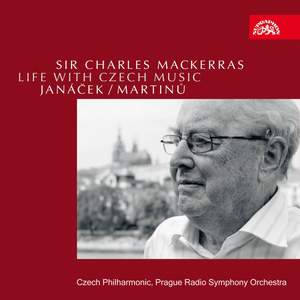
Life with Czech Music - Janacek & Martinu
RecommendedElisabeth Söderström (soprano), Drahomira Drobkova (contralto), Frantisek Livora (tenor), Richard Novak (bass), Jan Hora (organ), Kvetoslava Nemeckova (soprano), Leo Marian Vodicka (tenor), Vaclav Zitek (baritone), Josef Ruzicka (piano), Jan Bouse (timpani), Eva Urbanova (soprano), Bernarda Fink (contralto),...
Even the recording acoustic is warm, enough sometimes to curl the music’s edges and smudge away little details. But Mackerras’s handling of this repertoire is so fresh, so responsive to the folk-music... — More…
Awards:
-
Gramophone Awards, 1986, Winner - Choral

4 CDs + DVD Video
$43.25Downloads
What are FLAC and MP3? -
-
Awards:
-
Building a Library, July 2017, First Choice

CD
$12.50 -
-
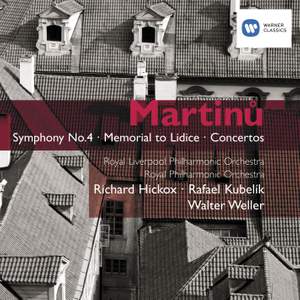
Martinu - Symphony No. 4, Memorial to Lidice & Concertos
John Alley (piano) & Charles Fullbrook (timpani), Nicholas Daniel (oboe), Stephen Reay (bassoon), Andrew Watkinson (violin) & Stephen Orton (cello)
Royal Liverpool Philharmonic Orchestra, Royal Philharmonic Orchestra, City of London Sinfonia, The Endellion String Quartet & City of...
Downloads
What are FLAC and MP3? -
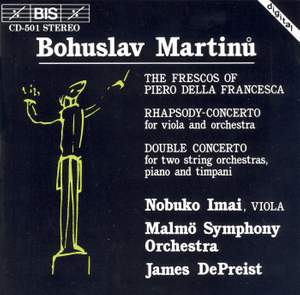
Martinů: Les Fresques de Piero della Francesca, H. 352, etc.
Nobuko Imai (viola), Lars Gärd (timpani), Isolda Suslak (piano)
Malmö Symphony Orchestra, James DePreist
CD
$15.00Downloads
What are FLAC and MP3? -
Downloads
What are FLAC and MP3? -
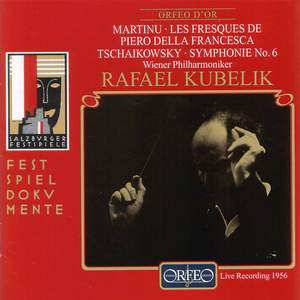
Martinu: Les Fresques de Piero della Francesca & Tchaikovsky: Symphony No. 6
Wiener Philharmoniker, Rafael Kubelik
CD
$13.25Downloads
What are FLAC and MP3? -
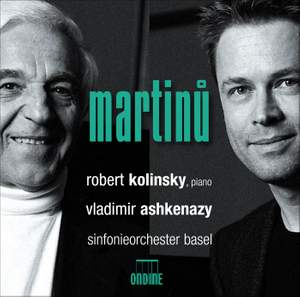
Vladimir Ashkenazy conducts Martinu
Robert Kolinsky (piano)
Sinfonieorchester Basel, Vladimir Ashkenazy
…Martinu's Les fresques de Piero della Francesca… a score of impressionist colour and intensity… I have not been aware hitherto of Ashkenazy as a Martinu interpreter but he responds to its rich... — More…
Downloads
What are FLAC and MP3? -
Offer,
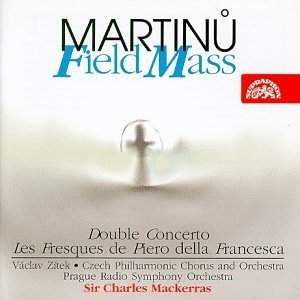
Martinu: Field Mass Vaclav Zitek (baritone), Josef Ruzicka (piano), Jan Bouse (timpani)
Czech Philharmonic Orchestra, Prague Philharmonic Choir, Prague Radio Symphony Orchestra, Charles Mackerras
CD
Original price ($14.25) Reduced price $11.50 -
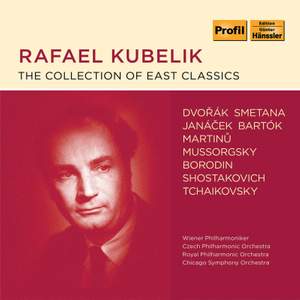
The Collection of East Classics
Rudolf Firkusny (piano), Pierre Fournier (cello), Sidney Crook (piano), James Bradshaw (timpani), George Schick (piano), Irwin Fisher (celesta), Edward Metzenger (timpani), Allan Graham (percussion), Lionel Sayers (percussion), Thomas Glenecke (percussion), Steven Staryk (violin)
Wiener Singverein,...
10 CDs
$52.00Downloads
What are FLAC and MP3? -
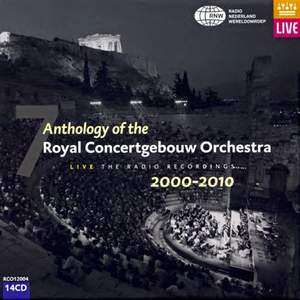
Anthology of the Royal Concertgebouw Orchestra Volume 7 - (2000-2010)
Waltraud Meier (mezzo), Robert Dean Smith (tenor), Marcel Reijans (tenor), Juha Uusitalo (bass-baritone), Jan-Hendrik Rootering (bass-baritone), Johan Leysen (speaker), Alexander Kerr (violin), Vesko Eschkenazy (violin), Godfried Hoogeveen (cello), Lars Vogt (piano), Reinhold Friedrich (trumpet),...
Anyone who has been collecting this series will certainly want this latest addition, for the unusual repertoire as much as for the performances … the live sound is tremendous. — More…
14 CDs
$103.25