All recordingsPrices shown exclude VAT. (UK tax is not payable for deliveries to United States.) See Terms & Conditions for p&p rates. | |  | Simon Keenlyside & Malcolm Martineau
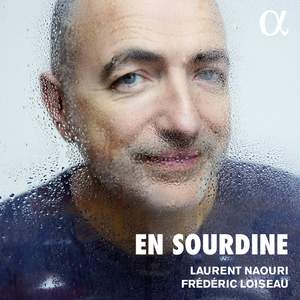
Fauré: | Aubade, Op. 6 No. 1 En sourdine, Op. 58 No. 2 (Verlaine) Green, Op. 58 No. 3 (Verlaine) Notre amour Op. 23 No. 2 Fleur jetée, Op. 39 No. 2 Spleen, Op. 51 No. 3 (Verlaine) Madrigal Op. 35 Le papillon et la fleur, Op. 1 No. 1 | Poulenc: | Hotel Encore | Ravel: | Histoires naturelles (5) | Schubert: | An Sylvia, D891 Die Einsiedlei D393 (Salis-Seewis) Verklarung D59 (Herder, after Pope) Die Sterne, D939 (Leitner) Himmelsfunken, D651 Ständchen 'Leise flehen meine Lieder', D957 No. 4 | Wolf, H: | Der Knabe und das Immlein (No. 2 from Mörike-Lieder) Gesang Weylas (No. 46 from Mörike-Lieder) An die Geliebte (No. 32 from Mörike-Lieder) Auf eine Christblume II (No. 21 from Mörike-Lieder) Lied eines Verliebten (No. 43 from Mörike-Lieder) Lied vom Winde |
He was already noted as a recitalist, and “a talent to cherish” as far back as 1989. Since appearing in La Scala in 1998 he has performed recitals all over the world, his repertoire including: Schubert, Schumann, Strauss, Brahms, Fauré, Wolf and Mahler. He has also recorded many English songs. Gramophone describe him as the finest baritone singer of Lieder this country has ever produced. In Simon's own words “I've probably got around 15 years, and think I can see the end of the tunnel. I've done most of the roles that suit me and some, like Papageno, I'll never want to drop…” “In Wagner I shan't go beyond Wolfram in Tannhauser. I know there's Beckmesser, but I'm afraid it's not a role that excites or fascinates me. I'll never get tired of the stand-and-sing roles like Germont in Traviata and Posa in Don Carlos - parts where you really have to act with your voice and pin the audience to their seats with inflexion, nuance and colour. I probably shan't sing Billy Budd again… and am moving down from Pelleas to Golaud. The two new roles I'm most excited about are Wozzeck and Rigoletto, which are both great theatre and call on a huge palette of colours. Wozzeck in particular, is a mountain any baritone wants to climb…” “The opening Schubert group demonstrates the baritone's natural and unaffected delivery - an ability to hold words and notes together in one single gesture - and his finely tuned vocalism, founded on a lightly rounded but always expressive tone. He sounds equally at ease in the French half of the programme. ...'En sourdine' flows beautifully...and the light humour of 'Le Papillon et la Fleur', Fauré's Op. 1 No. 1, is flawlessly conveyed in Martineau's enchantingly lithe pianism.” BBC Music Magazine, December 2009 “Hugo Wolf is at his most welcoming in "Der Knabe und das Immelein" and Keenlyside is at his most responsive in "An die Geliebte". Keenlyside is at his best in "Notre amour" - and very French. In… Malcolm Martineau: he has a collaborator in whom the life of texts as well as the music is experienced and communicated unfailingly.” Gramophone Magazine, November 2009 “you’re being invited to step into a more gently nuanced and delicately observed world, where the expressive weight of each phrase is being judged to perfection, with not a gram of emotional excess...this is such a successful document of the occasion that you might honestly end up feeling that you were [there]… and can be again, and again.” Andrew McGregor, bbc.co.uk, 22nd December 2009 | | | In stock - usually despatched within 1 working day. |
|
|
| |  | Fauré - The Complete Songs - 2Un paysage choisi
“There's a high standard of singing throughout and… Geraldine McGreevy offers delicacy, shape and direction, combined with an intelligent variety of tone, and Christopher Maltman's more forthright approach gives impetus to 'Le voyageur' and 'Prison'. Though her tone is a touch mature, Jennifer Smith is able to draw on the warm colours of her voice for the late cycle Le jardin clos (1914), a sombre, understated piece that emphasises the oblique, unpredictable harmony of the composer's final period.” BBC Music Magazine, May 2005 **** “Volume 2 of Hyperion's superb Fauré song series takes its theme from Clair de lune and an idealised landscape peopled with dreaming birds and sobbing fountains. It follows the composer from youth to old age, from the young charmer to the mature master to the inscrutable sage, imaginatively side-stepping all possible monotony. Fauré's dream world is a mirror of an occasionally innocent nature that received too many cruel knocks, reflected in music of light and darkness, courage and despair. All the singers involved in this ideally presented and recorded offering perform with a special ardour and commitment; Graham Johnson is, as always, a matchless partner and commentator.” Gramophone Classical Music Guide, 2010 | | | In stock - usually despatched within 1 working day. |
|
|
| |  | Gérard Souzay
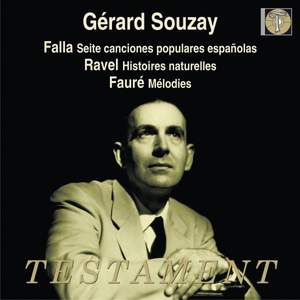
Falla: | Siete Canciones populares españolas | Fauré: | C'est l'extase langoureuse, Op. 58 No. 5 (Verlaine) Green, Op. 58 No. 3 (Verlaine) Mandoline, Op. 58 No. 1 (Verlaine) Prison, Op. 83 No. 1 Spleen, Op. 51 No. 3 (Verlaine) Tristesse, Op. 6 No. 2 Au bord de l'eau, Op. 8 No. 1 (Prudhomme) Après un rêve, Op. 7 No. 1 Clair de Lune, Op. 46 No. 2 (Verlaine) Arpège, Op. 76 No. 2 (Samain) En sourdine, Op. 58 No. 2 (Verlaine) L'horizon chimérique, Op. 118 | Ravel: | Histoires naturelles (5) |
Gérard Souzay (baritone), Jacqueline Bonneau & Dalton Baldwin (piano) Recorded 1950-55 “Canciones populaires espanolas could not be sung with greater feeling...it has lost none of its ability to enchant and remains one of the most eloquent of Souzay's song records.” Penguin Guide, 2011 edition | | | In stock - usually despatched within 1 working day. |
|
|
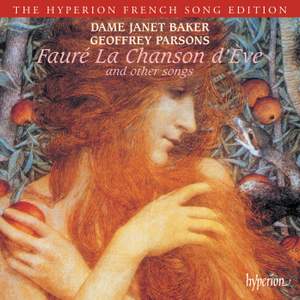
| |  | Fauré - La Chanson d'Eve and other songs
Fauré: | Le papillon et la fleur, Op. 1 No. 1 Chanson du pêcheur Op. 4 No. 1 Rêve d'amour, Op. 5 No. 2 Hymne Op. 7 No. 2 Aubade, Op. 6 No. 1 Barcarolle Op. 7 No. 3 Toujours!, Op. 21 No. 2 Les berceaux, Op. 23 No. 1 Le secret Op. 23 No. 3 Aurore, Op. 39 No. 1 Les roses d'Ispahan Op. 39 No. 4 En prière Les présents Op. 46 No. 1 La chanson d'Ève, Op. 95 Spleen, Op. 51 No. 3 (Verlaine) Green, Op. 58 No. 3 (Verlaine) En sourdine, Op. 58 No. 2 (Verlaine) Mandoline, Op. 58 No. 1 (Verlaine) Après un rêve, Op. 7 No. 1 |
| | | In stock - usually despatched within 1 working day. |
|
|
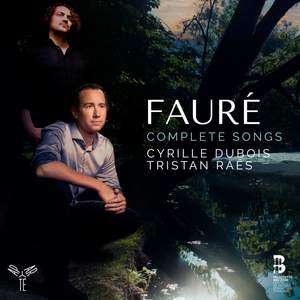
| |  | Faure: Complete Songs, Vol. 2
Pierre Mollet (baritone), Simone Gouat (piano), Berthe Monmart (soprano), Renee Doria (soprano), Jacques Dutey (baritone), Tasso Janopoulo (piano) | |
|
| |  | Songs of Debussy and Fauré
Benita Valente (soprano), Lydia Artymiw (piano) | |
|
| |  | Verlaine: Symbolist Poets and the French MélodieSettings of poems by Paul Verlaine
Jean-François Lapointe (baritone) & Louise Andrée Baril (piano) | | | Usually despatched in 2 - 3 working days. |
|
|
| |  | Fauré: Mélodies
Fauré: | Nell, Op. 18 No. 1 Le voyageur Op. 18 No. 2 Automne, Op. 18 No. 3 Chant d'automne Op. 5 No. 1 La fée aux chansons Op. 27 No. 2 Les présents Op. 46 No. 1 Clair de Lune, Op. 46 No. 2 Larmes Op. 51 No. 1 Au cimetière, Op. 51 No. 2 Spleen, Op. 51 No. 3 (Verlaine) La rose Op. 51 No. 4 Cinq Melodies 'de Venise', Op. 58 La Bonne Chanson, Op. 61 Le parfum impérissable Op. 76 No. 1 Arpège, Op. 76 No. 2 (Samain) Prison, Op. 83 No. 1 Soir Op. 83 No. 2 Dans la forêt de septembre Op. 85 No. 1 La fleur qui va sur l'eau Op. 85 No. 2 Accompagnement Op. 85 No. 3 Mirages, Op. 113 L'horizon chimérique, Op. 118 |
Noel Lee (piano), Bernard Kruysen (baritone) | |
|
| |  | Fauré - Chansons Vol. 3
| | | Usually despatched in 8 - 10 working days. |
|
|
| |  | Mélodies
Duparc: | Chanson triste Soupir L'Invitation au voyage Élégie Extase Le Manoir de Rosemonde Phidylé Lamento | Fauré: | Lydia, Op. 4 No. 2 Au bord de l'eau, Op. 8 No. 1 (Prudhomme) Après un rêve, Op. 7 No. 1 Nell, Op. 18 No. 1 Automne, Op. 18 No. 3 Aurore, Op. 39 No. 1 Les roses d'Ispahan Op. 39 No. 4 Les présents Op. 46 No. 1 Clair de Lune, Op. 46 No. 2 Spleen, Op. 51 No. 3 (Verlaine) Cinq Melodies 'de Venise', Op. 58 La Bonne Chanson, Op. 61 Prison, Op. 83 No. 1 Soir Op. 83 No. 2 Le parfum impérissable Op. 76 No. 1 Le plus doux chemin Op. 87 No. 1 Mirages, Op. 113 L'horizon chimérique, Op. 118 |
It was in 1972, when he was singing at Glyndebourne, that Cuenod began recording for Nimbus. In these records he leaves a unique and precious account of French song, which, incidentally, he taught every year in Europe and the United States. This album of Fauré and Duparc has never previously been released. Hugues Cuenod was between seventy and seventy-six at the time and the result is miraculous. Hear how skilfully he 'speaks' the text like an actor, with perfect diction and clarity. His style is admirably simple and natural, which is the most difficult thing to achieve in the very special art of the French 'mélodie'. He never descends into sentimentality or over-interpretation, temptations to which many singers of both sexes too often succumb. | | | Usually despatched in 4 - 5 working days. |
|
|
| |
|