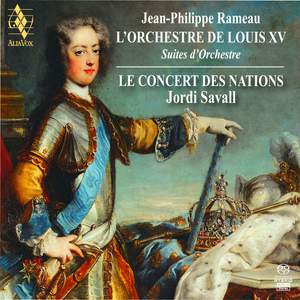
Prices shown exclude VAT. (UK tax is not payable for deliveries to United States.) See Terms & Conditions for p&p rates. | |  | Rameau: L’Orchestre de Louis XV
Les Indes Galantes 1735: Ouverture, Musette en Rondeau, Air vif, Air des Incas pour la dévotion du Soleil, Air pour les amants qui suivent Bellone, Air pour les guerriers, Menuets pour les Guerriers et Amazones I&II Orage, Air pour les esclaves africains, Air pour Borée et la Rose, 2ème Air pour les Zephirs, Tambourins I/II, Chaconne Naïs 1748: Ouverture, Musette tendre, Rigaudons I /II, Sarabande, Gavotte pour les Zéphirs, Loure, Musette, Tambourins I/II, Entrée des Luteurs, Chaconne, Air de Triomphe Zoroastre 1749: Ouverture, Passepieds I/II, Loure, Air des Esprits, Infernaux II, Air tendre en Rondeau, Air Grave, Gavotte en Rondeau, Sarabande, Contredanse Les Boréades 1764: Suite d’Orchestre, Ouverture, Entrée, Entrée des Peuples, Contredanse en rondeau, Les Vents Gavotte I&II pour les heures et les Zephirs, Menuets I- II, Contredanse très vive
Following the success of the albums L’ Orchestre de Louis XIII (Philidor l’Aisné) and L’ Orchestre du Roi Soleil (Lully), Jordi Savall delivers another dynastic opus consisting of music by Jean-Philippe Rameau. Le Concert des Nations sparkles in these four orchestral suites which document the genius of the French composer and Jordi Savall’s affinity with the repertoire of the the XVIIIth century. “With a large and varied orchestra and (optional) surround sound, Jordi Savall revels in the unmatched opulence, extravagance and scale of mid-18th century France...The music is divorced from its dramatic context and the visual accompaniment of costume, dancing and scenery, but is speaks splendidly for itself, displaying Rameau's kaleidoscopic orchestration and arresting devices...A magnificent production - the high Baroque doesn't get higher than this” BBC Music Magazine, October 2011 ***** “The Chaconne ending Les Indes Galantes shows Savall's breadth, roving with equal conviction from pastoral sensuality to blazing, robust militarism. The whiplash strings of the Nais Overture free an infectious rhythm and the off-beat timpani create thrilling thunder in a voluminous acoustic.” Classic FM Magazine, September 2011 **** “The exhilarating effect of this joyous music could scarcely be better conveyed. Savall has chosen his “suites” to reflect the astonishing variety of Rameau’s instrumentation and inventiveness as a composer of ballet music...The wonderfully windy music for Les Boréades (sons of Boréas, the north wind) culminates in a sizzling contredanse très vive — guaranteed to set the toes tapping.” Sunday Times, 26th June 2011 ***** “This is dance music of dizzying variety and instrumental colour...There's lively, rumbustious playing from Le Concert des Nations...The angular contredanses with their quirky intervals, and the magnificent chaconnes, are splendid – the one for Naïs (1748), involving dancing athletes, boxers, runners and wrestlers, is made for the Olympics opening.” The Observer, 19th June 2011 “Jordi Savall and his ebullient Baroque orchestra, Le Concert des Nations, have released recordings of the music Philidor wrote for Louis XIII, and Lully for Louis XIV. All is eclipsed by the double-CD of Rameau’s fabulously spirited rococo pieces for Louis XV’s orchestra...these suites have a tunefulness, an instrumental diversity and a quirky joyousness that even the most curmudgeonly Anglo-Saxon soul will find hard to resist.” The Times, 18th June 2011 **** | | | In stock - usually despatched within 1 working day. |
|
|
| |  | Rameau: Orchestral Suites Volume 2live in Utrecht (Vredenburg), Sept 1998 & Nov 2000
| | | Usually despatched in 3 - 4 working days. |
|
|
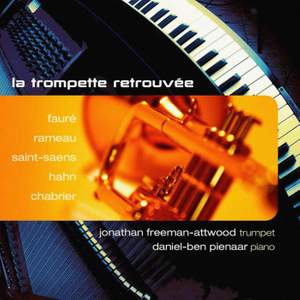
| |  | La Trompette Retrouvée
"La Trompette Retrouvée" is Freeman-Attwood's second
recording in his series with Linn Records and continues to explore his passion for expanding the limited chamber
repertoire for trumpet by imaginatively arranging chamber works previously scored for alternative forces. “Apart from his nimble dexterity, Freeman-Attwood's playing is just as striking for the beauty of his lyrical phrasing and his richness of colour, so well demonstrated by Saint-Saëns's "Romanza", and in the wonderful freedom of his playing in the transcription of Fauré's Violin Sonata No. 2, which at times (and specially in the finale) almost convinces one that it was written for the trumpet...An uncommonly fine player with a lovely tone and vigorously sparkling articulation” Gramophone Magazine, June 2007 | | | Usually despatched in 4 - 5 working days. |
|
|
| |  |
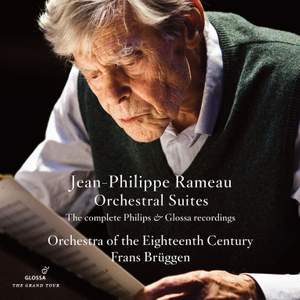
“No corner of the operatic repertory offers a greater wealth of freestanding orchestral dances than the French Baroque, and no composer wrote such a rich and enjoyable array of them as Rameau, that master blender of melodic inspiration, rhythmic irresistibility and orchestral colour. While Rameau's dances tend to be integrated into the action more than most, you do not really need to study the plots of these operas too much to enjoy the music they deliver. In the end the music is just there to be enjoyed, and in any case Rameau himself was not always that particular; those familiar with his harpsichord pieces will recognise a few old friends wearing hastily chosen new clothes. As for the performances, little needs to be said about them save that they meet the Orchestra of the Eighteenth Century's normal high standards – impressively weighted sound, tight ensemble and excellent style – and are all the more admirable for being recorded live in concert, as usual.” Gramophone Classical Music Guide, 2010 | |
|
| |
|